


Populations: Adults
I believe healing begins in a space where you feel safe, seen, and supported.
You may be navigating anxiety, changes in your mood, the effects of trauma, a major transition, or patterns that continue to affect your relationships and daily life. You may understand that something needs to change but feel uncertain about where to begin or how to move forward.
My goal is to create a therapeutic environment grounded in warmth, curiosity, and genuine connection. Together, we can explore your experiences, identify patterns, process difficult emotions, and work toward growth that feels meaningful to you.
I work with young adults through older adults and provide individual therapy through Calm Mind Counseling Center in Forest Park, Countryside, and online throughout Illinois.
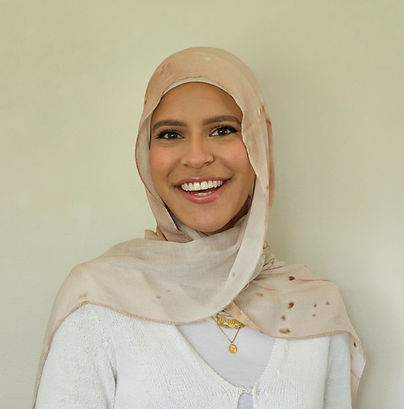
Meet Dema
I am a Licensed Professional Counselor, Certified Trauma Professional, and EMDR-trained therapist.
Coming from a culturally diverse background, I understand that no two people experience life in exactly the same way. Culture, family, relationships, identity, community, and personal history can all influence how we understand ourselves and respond to the challenges around us.
I value the story each person brings to therapy. Rather than assuming that one explanation or treatment plan fits everyone, I work collaboratively with clients to understand their individual experiences, strengths, concerns, and goals.
Therapy can provide a place to look beneath the surface of what you are experiencing. Together, we may identify patterns, explore emotions, and better understand how past and present experiences continue to affect your life.
Who I Work With
I enjoy working with young adults through older adults who are navigating concerns such as:
-
Anxiety
-
Trauma and post-traumatic stress
-
Mood-related concerns
-
Depression
-
Life transitions
-
Relationship difficulties
-
Stress and coping
-
Self-esteem
-
Long-standing emotional or behavioral patterns
-
Adjustment to adulthood
-
Changes within relationships
-
Difficult or painful past experiences
-
Substance-use concerns
-
Crisis and acute emotional stress
These concerns often overlap. A major transition may bring anxiety or uncertainty. Earlier trauma may affect relationships, emotional responses, or the way you see yourself. Long-standing patterns may have once helped you cope but may no longer support the life you want today.
Our work begins with understanding how these experiences affect you as an individual rather than reducing you to a diagnosis or assuming that one approach will be right for everyone.
What Therapy With Me Is Like
My style is warm, curious, collaborative, and client-centered.
Therapy is a shared process. You bring your experiences, values, goals, and understanding of your own life. My role is to listen closely, help you explore what may be happening beneath the surface, and support you as you consider new perspectives and possibilities.
Our work may involve:
-
Identifying patterns in thoughts, emotions, or relationships
-
Exploring experiences from the past
-
Understanding responses that feel difficult to control
-
Processing emotions in a supportive setting
-
Developing practical coping strategies
-
Clarifying goals and personal values
-
Strengthening communication
-
Building a greater sense of confidence and agency
I believe healing is possible, and therapy does not need to feel like a process focused only on problems. It can also include moments of connection, curiosity, learning, and recognition of the strengths you already possess.
My intention is to help you feel supported throughout the process while respecting your pace and the direction you want your life to take.
My Approach to Therapy
My approach is integrative, trauma-informed, and tailored to each client.
Depending on your needs and goals, I may draw from:
-
Cognitive Behavioral Therapy
-
Person-Centered Therapy
-
Psychodynamic Therapy
-
Motivational Interviewing
-
Trauma-informed care
-
Strength-based approaches
-
Narrative therapy
-
EMDR
Cognitive Behavioral Therapy can help us examine connections among thoughts, emotions, and behaviors. Person-centered therapy keeps your experiences, goals, and choices at the center of the process.
Psychodynamic therapy may help us explore how earlier relationships or experiences continue to influence the present. Motivational Interviewing can be useful when you feel uncertain about change or find yourself pulled in different directions.
Trauma-informed care helps ensure that we approach difficult experiences with attention to safety, collaboration, and your individual readiness.
No one approach fits every person. We will determine together which methods feel most relevant and helpful as your needs and goals evolve.
Trauma-Informed Therapy and EMDR
I am a Certified Trauma Professional and am trained in Eye Movement Desensitization and Reprocessing.
Past or present trauma may affect emotions, relationships, self-worth, physical responses, and the ability to feel safe or grounded. These effects may appear immediately after an experience or become more noticeable during later periods of stress or change.
Trauma-informed therapy allows us to explore these experiences without assuming that you should move faster than feels manageable. Our work may begin with identifying needs, strengthening coping resources, and understanding how your mind and body respond to stress.
EMDR may be incorporated when it is appropriate to your history, goals, preparation, and readiness. It is one option within a broader therapeutic approach rather than an automatic treatment plan.
Support Through Life Transitions
I am especially drawn to helping people during periods of adjustment.
You may be stepping into adulthood, navigating changes within a relationship, changing careers, adjusting to a new role, or questioning patterns that have shaped your life for a long time.
Transitions can bring opportunity, but they can also create uncertainty, anxiety, grief, or questions about identity and direction. Even positive changes can feel emotionally difficult.
Therapy can provide a place to slow down and consider what the transition means to you. Our work may include exploring what you are leaving behind, what you hope to move toward, and what support you need during the process.
The goal is not to eliminate every uncomfortable emotion. It is to help you approach change with greater awareness, flexibility, and confidence.
Relationships, Communication, and Personal Patterns
Relationships can shape how we understand ourselves, communicate our needs, respond to conflict, and experience safety or connection.
You may notice repeated patterns in romantic relationships, family relationships, friendships, or other important areas of your life. You may have difficulty expressing your needs, setting boundaries, trusting others, or responding when conflict occurs.
My prior experience includes facilitating domestic-violence groups focused on healthy relationships and communication.
That work strengthened my understanding of the importance of emotional and physical safety, relationship patterns, personal agency, and clear communication.
In therapy, we can explore how your experiences have influenced the way you connect with others and identify changes that support healthier and more fulfilling relationships.
Crisis Support and Safety Planning Experience
My clinical experience also includes crisis management and safety planning.
Periods of acute stress can make it difficult to think clearly, identify options, or feel connected to the support available around you. During these times, a grounded and structured therapeutic environment can be especially important.
My goal is to help clients feel supported while identifying immediate needs, available resources, and practical steps toward greater safety and stability.
Calm Mind Counseling Center is an outpatient practice and is not an emergency or crisis-response service. Anyone experiencing an immediate emergency should call 911 or contact an appropriate crisis resource.
A Culturally Responsive Perspective
My culturally diverse background informs the way I approach therapy.
I recognize that emotional well-being is influenced not only by individual experiences but also by culture, family, relationships, identity, and the environments in which we live.
I do not assume that every client shares the same beliefs, values, or understanding of mental health. Instead, I aim to remain curious about what your experiences mean to you and how the different parts of your life shape the concerns you bring to therapy.
Your background does not need to be separated from the therapeutic process. It can be an important part of understanding your story, your strengths, and the changes you want to make.
Credentials and Professional Background
-
Licensed Professional Counselor
-
Certified Trauma Professional
-
EMDR trained
-
Master’s degree in Counseling Psychology
-
The Chicago School of Professional Psychology, 2025
-
Experience facilitating domestic-violence support groups
-
Experience with crisis management and safety planning
-
Experience working with young adults through older adults
Outside the Therapy Room
Outside the therapy room, you will likely find me spending time outdoors, lost in a good book, looking for a new restaurant to try, or spending time with friends and family.
I bring that same sense of curiosity, connection, and presence into my work with clients.
Therapy in Forest Park, Willowbrook, and Online
I provide individual therapy through Calm Mind Counseling Center.
Forest Park Office
7621 Roosevelt Road
Forest Park, IL 60130
Willowbrook Office
6713 Kingery Highway
Willowbrook, IL 60527
Online Therapy
Telehealth appointments are also available for eligible clients located throughout Illinois.
Please contact Calm Mind Counseling Center to ask about current availability and whether in-person or online therapy may be appropriate for your needs.
Begin Therapy With Dema
You may be navigating anxiety, trauma, changes in your mood, a major transition, or patterns that no longer feel helpful.
You do not need to have everything clearly defined before beginning therapy.
Together, we can explore what you are experiencing, understand the emotional and relational layers beneath it, and work toward changes that reflect your strengths, needs, and goals.
To ask about working with me, contact Calm Mind Counseling Center.
